
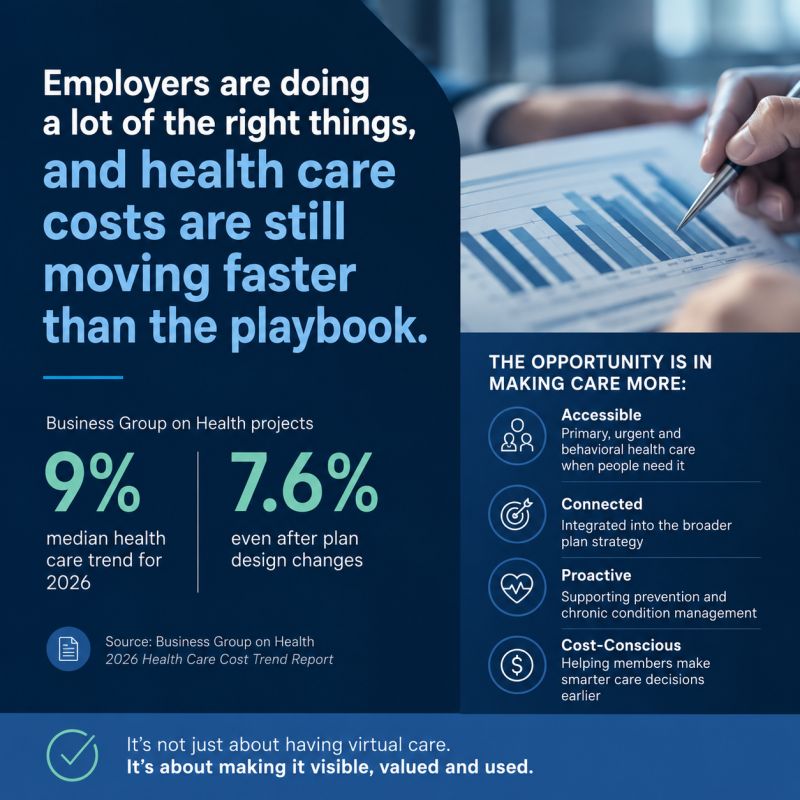
Employers are doing a lot of the right things, and health care costs are still moving faster than the playbook.
Business Group on Health’s latest viewpoint on health care cost is worth reading, especially for anyone involved in employer-sponsored benefits.
The number that jumped out to me was the 2026 projection: employers are expecting a 9% median health care trend, and even after plan design changes, that only comes down to 7.6%.
That is a difficult environment for everyone involved.
Employers are trying to offer meaningful benefits without making coverage unaffordable. Brokers and consultants are trying to bring forward better strategies. TPAs, vendors, and care partners are all trying to prove value in a market that is getting more demanding every year.
There is not one simple answer to that problem.
But I do think it creates a need to look more closely at how employees access care, how early they access it, and whether the benefits already in place are being used in a way that actually supports the plan.
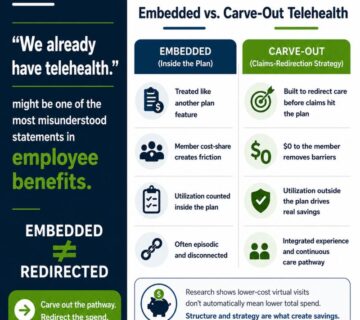
Virtual care is one area where I think there is still a lot of room for improvement.
Most groups have some version of it today, but the real opportunity is making it more practical, more visible, and more connected to the broader health plan strategy.
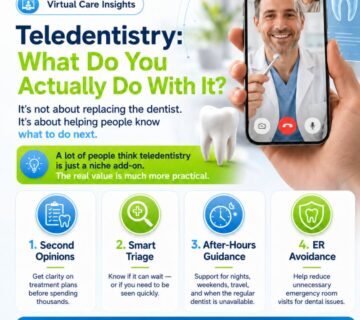
That could mean easier access to primary care, urgent care, behavioral health, chronic condition support, prescription guidance, preventive care, or navigation resources. It could also mean helping members make better decisions before a small issue becomes a more expensive one.
None of that replaces the need for strong local provider relationships, good plan design, pharmacy strategy, data transparency, or vendor accountability. It is one part of a much larger conversation.
But with cost trends where they are, I think it is a part of the conversation worth taking more seriously.
For employers and advisors looking ahead to 2026, the question may not be whether virtual care exists in the plan.
It may be whether it is positioned clearly enough, used often enough, and connected well enough to make a meaningful difference.

No comment