
Virtual Healthcare Is Transforming the Way Organizations Deliver Employee Benefits
Healthcare is changing faster than ever. Rising costs, provider shortages, long wait times, and growing employee expectations are forcing organizations to rethink how healthcare is delivered. Virtual healthcare has become an important part of that solution by improving access to care while helping employees receive timely treatment from virtually anywhere.
Healthcare Without the Waiting Room
Virtual healthcare allows individuals to connect with licensed medical professionals using a smartphone, tablet, or computer. Instead of waiting days or weeks for an appointment, patients can often receive care within minutes or hours, making healthcare more convenient and accessible.
Depending on the program selected, virtual healthcare can include:
- Virtual Primary Care
- 24/7 Urgent Care
- Behavioral Health
- Counseling and Psychiatry
- Women’s Health
- Men’s Health
- Dermatology
- Nutrition Services
- Chronic Condition Management
- Care Navigation
- Specialist Referrals
- Wellness and Preventive Care
These services allow patients to receive care from home, the office, or while traveling, reducing unnecessary trips to urgent care centers and emergency rooms.
Benefits for Employers
Employers are continually looking for ways to improve employee benefits while managing healthcare costs. Virtual healthcare can help accomplish both goals by making care easier to access and encouraging employees to seek treatment before small issues become larger, more expensive medical problems.
Potential benefits include:
- Faster access to medical care
- Improved employee satisfaction
- Reduced absenteeism
- Increased productivity
- Better utilization of preventive care
- Lower unnecessary emergency room visits
- Enhanced support for remote and traveling employees
When employees have convenient access to healthcare, they are more likely to use it, leading to healthier workforces and a better overall benefits experience.
Helping Employees Navigate Healthcare
Many employees struggle to understand where they should go for care. Should they visit the emergency room, urgent care, their primary care physician, or use virtual care?
A well-designed virtual healthcare program helps simplify these decisions by providing convenient access to medical professionals who can evaluate symptoms, recommend appropriate treatment, prescribe medications when clinically appropriate, and coordinate additional care when needed.
Supporting Rural Communities
Virtual healthcare also plays an important role in expanding access to care for rural communities where provider shortages continue to grow. Patients who may otherwise travel hours for routine appointments can often receive quality care from home while maintaining connections to local healthcare providers when in-person treatment is necessary.
For hospitals and healthcare systems, virtual care can complement existing services by extending access, improving patient engagement, and helping organizations reach underserved populations.
Building the Right Virtual Healthcare Strategy
Not every virtual healthcare solution is the same. Organizations should evaluate programs based on the needs of their employees, healthcare goals, budget, and existing benefit structure.
A successful strategy often combines multiple virtual care services into one coordinated program that is easy for employees to understand and use.
How Remote Wellness Solutions Can Help
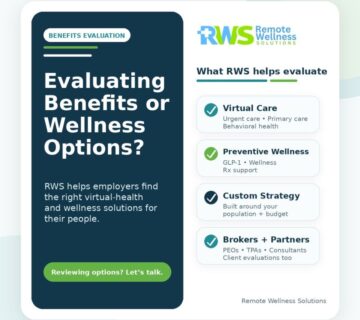
At Remote Wellness Solutions, we take a consultative approach to virtual healthcare. Rather than offering a one-size-fits-all solution, we work with employers, associations, brokers, healthcare organizations, and other groups to identify the right virtual care partners and build programs that fit their specific needs.
Whether your organization is exploring virtual primary care, behavioral health, wellness initiatives, prescription savings, specialty services, or a comprehensive virtual healthcare strategy, our goal is to help simplify the process and connect you with solutions that improve access, enhance employee benefits, and support long-term healthcare objectives.
As healthcare continues to evolve, virtual care is becoming an essential component of modern employee benefits. Organizations that embrace these solutions today are positioning themselves to provide greater access, increased convenience, and a stronger healthcare experience for the people they serve.

No comment